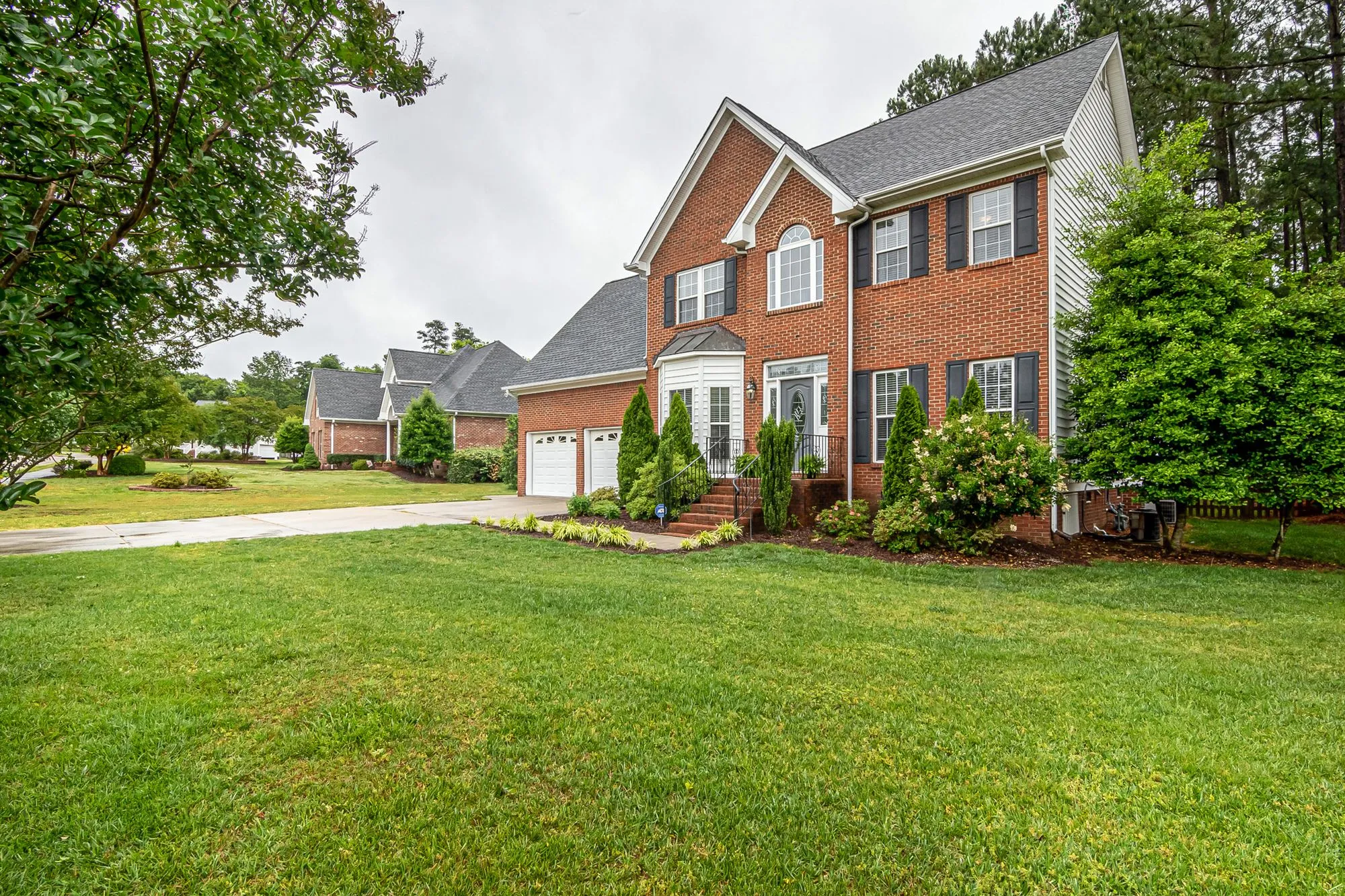
Radon answers for River Falls homes on the Wisconsin side of the line
How to test, what a high number means, and why the rules change when a contractor crosses from Minnesota. We don't sell anything here.
Three guides for a border-town house
Testing comes first. Mitigation only matters if the number is high. And since some radon companies that work here come from the Minnesota side, it helps to know which state's rules apply.


From a test kit to a lower number
Most houses go through the same four steps. A lot of them stop after the second.
Test the lowest lived-in floor
Use a short-term kit in a basement or first-floor room you actually use, with windows and doors closed for at least 12 hours first.
Compare the result to 4 pCi/L
Wisconsin DHS treats anything above 4 pCi/L as high. A single short test near the line is worth repeating.
Hire a qualified mitigator
Wisconsin has no license, so look for NRPP or NRSB certification. A Minnesota company will also hold a Minnesota license.
Retest after the fan runs
A system isn't done until a follow-up test shows the level came down. Test again every couple of years.
Two states, two sets of rules
River Falls homeowners hear advice from both sides of the border. Here's what each state actually requires, linked to the source.
Written to answer questions, not to sell a system
A contractor's website has a reason to make your number sound scary. This one doesn't.
- We don't test or install anything
- No quote to push and no crew to book. When you need a pro, we show you how to check their credentials yourself.
- Border rules, explained once
- Minnesota licenses radon pros and requires disclosures in home sales. Wisconsin doesn't. We lay out which rules follow the house.
- Every figure has a source
- Numbers and rules link back to Wisconsin DHS, the Minnesota Department of Health, Minnesota statutes, or the EPA.
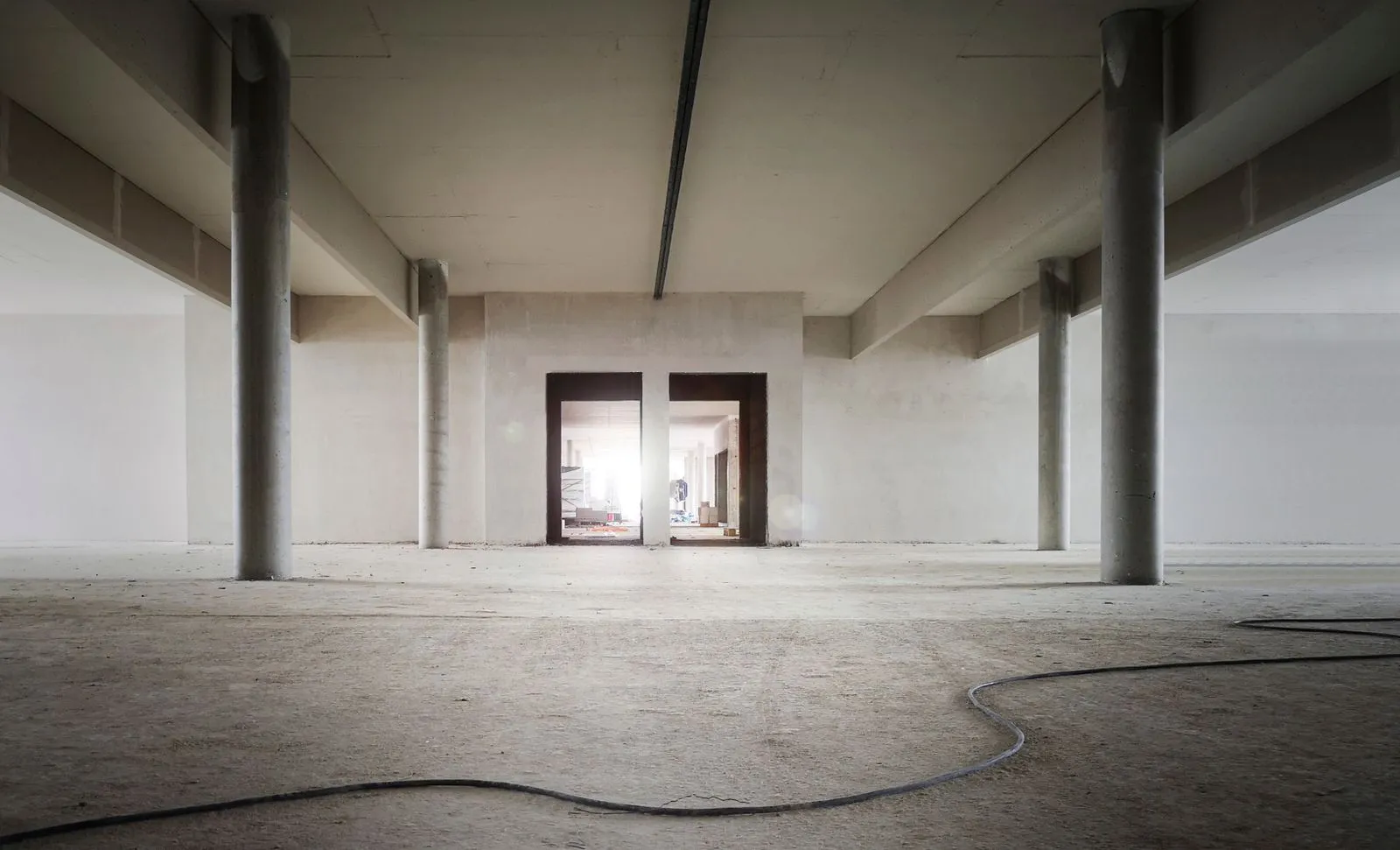
Radon usually enters through the slab, the sump pit, and the joint where floor meets wall.
River Falls and nearby Wisconsin towns
River Falls sits in Pierce and St. Croix counties. The testing and mitigation guidance applies anywhere in western Wisconsin.
Wisconsin side
- River Falls
- Pierce County
- St. Croix County
Why radon matters in western Wisconsin
Radon comes from uranium breaking down in the ground. It has no color or smell, and it moves up through soil into the house sitting on top. Long heating seasons make it worse, because a warm house with the windows shut pulls soil gas in through every gap in the foundation.
Wisconsin DHS says about 1 in 10 homes in the state has high radon levels. That’s a statewide figure. Your house could be well under it or well over it, and the only way to know is to test. Our River Falls radon testing guide covers how to get a result you can trust.
Being a border town adds one wrinkle. Some radon companies that work in River Falls come from the Minnesota side of the line, where the rules are stricter. We explain the difference in Wisconsin vs. Minnesota radon rules.
What people ask first
Does my River Falls house need a radon test?
Yes. Wisconsin's radon program recommends testing every home. Levels can vary a lot between neighboring houses, so the only number that counts is your own.
A Minnesota company quoted my Wisconsin house. Does its Minnesota license matter here?
It's a good sign they meet Minnesota's standards, but Wisconsin doesn't require any license. For work in Wisconsin, DHS recommends checking for NRPP or NRSB certification.
Do Minnesota's radon disclosure rules apply to my house?
No. Minnesota's disclosure law covers residential property in Minnesota. Wisconsin doesn't require radon testing in a sale, though DHS highly recommends it.
Where can I get a local test kit?
The Northwest Central Wisconsin Radon Information Center, based at the Dunn County Health Department, serves Pierce and St. Croix counties and can point you to low-cost kits.
Is this site a radon company?
No. We don't test, install, or sell anything. We explain how radon works and how to find a qualified professional.
- We don't sell tests or install systems
- Every figure links to its source
- Covers Wisconsin and Minnesota rules